The Interior - bath accessories bathroom contemporary interesting ideas with natural Interior design is the creative art and science of enhancing the interiors, sometimes including the exterior, of an area or building, to achieve a wholesome and much more aesthetically pleasing environment for the finish individual. An inside designer is someone who plans, researches, coordinates, and manages such projects. Interior design is a multifaceted job that includes conceptual development, space planning, site inspections, coding, research, communicating with the stakeholders of an project, construction management, and execution of the design. Home design is the process of shaping the experience of interior space, through the manipulation of spatial quantity as well as surface treatment for the betterment of individual functionality. The Interior - Bathroom Design Of Natural Stone For Bathroom Floor Ideas Mosaic Interior designer means that there is certainly more of an emphasis on planning, ...
Interior HD - INTERIOR DESIGN: Interior Style Types
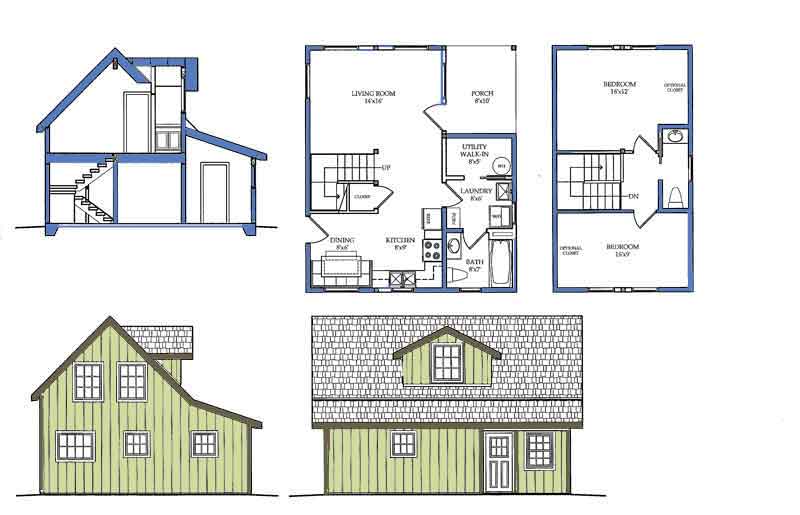
Interior HD - Small House Plans Interior Design
Interior HD - Google Sketchup 3D Tiny House Designs
Interior HD - Luxury Home Interior Home Designer
Interior HD - Video
Interior design is the creative art and science of improving the interiors, including the exterior sometimes, of a building or space, to achieve a wholesome and more desirable environment for the finish individual aesthetically. An inside designer is someone who plans, researches, coordinates, and manages such projects. Home design is a multifaceted vocation that includes conceptual development, space planning, site inspections, coding, research, connecting with the stakeholders of your project, structure management, and execution of the design.
Interior design is the process of shaping the knowledge of interior space, through the manipulation of spatial volume level as well as surface treatment for the betterment of human being functionality.
Interior designer means that you can find more of an focus on planning, practical design and the effective use of space, as compared to interior decorating. An inside designer can carry out projects that include arranging the essential layout of areas within the building as well as assignments that require an understanding of technological issues such as screen and door positioning, acoustics, and light. Although an inside artist might create the design of an area, they might not alter load-bearing wall space without having their designs stamped for acceptance by a structural engineer. Interior designers work immediately with architects often, contractors and engineers.
Interior designers must be skilled to be able to set-up interior environments that are useful highly, safe, and adhere to building codes, aDA and regulations requirements. They go beyond the selection of color palettes and furnishings and apply their knowledge to the development of construction documents, occupancy loads, healthcare regulations and sustainable design principles, as well as the coordination and management of professional services including mechanical, electrical, plumbing, and life safety--all to ensure that folks can live, learn or work in an innocuous environment that is visually satisfying also.
Someone may wish to focus and develop technical knowledge specific to one area or kind of interior design, such as home design, commercial design, hospitality design, professional medical design, common design, exhibition design, furniture design, and spatial branding. Home design is a creative occupation that is relatively new, constantly evolving, and complicated to the public often. It is not an artistic pursuit and relies on research from many fields to give a well-trained knowledge of how people are influenced by their environments.
Color in interior design
Color is a robust design tool in decorating, and interior design which is the art work of composition, and coordinates colors to generate stylish scheme mutually. Interior designers have understanding of colors to comprehend psychological effects, and meaning of each color to create suitable combinations for every place. Combining Color also provides certain mind-set, and has negative and positive results. It makes an area feel more calm, cheerful, comfortable or dramatic. It also makes a tiny room seem larger or smaller. So that it is the Interior designer profession to choose appropriate colors for a place in ways people want to look and feel in the area.
Home Insurance Tips
Homeowners' insurance isn't a luxury, it's a necessity. In fact, most mortgage companies won't make a loan or financing a residential real estate purchase unless the buyer provides proof of coverage for the entire or fair value of the property (most of the time this is actually the purchase price). In this article, we'll demonstrate some simple actions you may take to make sure your homeowners' insurance is sufficient for your needs.
Homeowners' insurance can be quite expensive. Those that live in high-risk areas such as near major waterways, known earthquake problem lines or other high says areas shall pay the most for coverage. In fact, those in high-risk areas are often forced to pay total annual premiums in the countless thousands of dollars. But even homeowners in relatively sedate, suburban neighborhoods (with property principles around the countrywide average of $210,000) could pay between $500 and $1,000 a complete calendar year for a simple plan.
The glad tidings are that although you can't (and shouldn't) avoid purchasing homeowners' insurance, there are ways to minimize the cost.
Here are six ways to be sure you receive the right coverage and consequent compensation for your home:
1) Maintain a Security System and Smoking Alarms: A security alarm that is monitored by the central station, or that is tied to a local law enforcement officials stop directly, will help lower the homeowner's annual premiums, perhaps by 5% or more. In order to have the discount, the home owner must typically provide proof central monitoring in the form of a monthly bill or a contract to the insurance provider.Smoke alarms are another biggie. While standard in most modern houses, setting up them in aged homes can save the home-owner 10% or even more in annual payments. Of course, more importantly even, in case of fire, they could save your life!
2) INCREASE YOUR Deductible: Like health insurance or auto insurance, the higher the deductible the homeowner chooses, the lower the annual monthly premiums. However, the condition with selecting a high deductible is that smaller cases/problems such as busted windows or ruined sheetrock from a leaky tube, that may cost only a few hundred dollars to repair typically, will likely be utilized by the owner of a house.
3) Look for Multiple Policy Discount rates: Many insurance firms provide a discount of 10% or more with their customers that maintain other insurance contracts under the same roof top (such as automobile or medical health insurance). Consider finding a quote for other types of insurance from the same company that delivers your homeowners' insurance. You might conclude saving on two gross annual policy premiums.
4) Plan Ahead for Building: If the homeowner plans to generate an addition to the house or another composition adjacent to your home, she or he should think about the materials that'll be used. Typically, wood-framed structures (because they're highly flammable) will definitely cost more to insure. Conversely, cement- or steel-framed buildings will cost less since it is less inclined to succumb to flames or adverse climate.
Another thing that most homeowners should, but often don't, consider is the insurance costs associated with building a swimming pool. In fact, items such as private pools and/or other possibly injurious devices (like trampolines) can drive annual homeowners' insurance costs up by 10% or more. This may seem to be like a tiny price to pay given the delight these things bring, but it continues to be something that should be considered by the home-owner prior to purchase or construction.
5) PAY BACK Your Home loan: Obviously this is simpler said than done, but homeowners that pay off their mortgage debts shall probably see their premiums drop. Why? The simple reason is that the insurance provider statistics that if you own the true home outright, you'll take better good care of it.
6) Make Regular Policy Reviews and Evaluations: Traders should, at least once per time, compare the costs of other plans with their own. In addition, they have to review their existing insurance policy and make note of any changes that might have occurred which could lower their premiums.
For example, possibly the property owner has disassembled the trampoline, paid the mortgage loan, installed a security alarm or installed a sophisticated sprinkler system inside his / her home. If this is the full case, simply notifying the insurance provider of the change(s) and providing proofs by means of pictures and/or receipts could significantly lower insurance costs.Search for changes in the neighborhood that could reduce rates as well. For example, the installation of a flames hydrant within 100 toes of the house, or the erection of any hearth substation within close closeness to the property may lower the homeowner's gross annual premiums.
Keywords
interior, interior hd, house interior 2014, house interior 2015, house interior 2016, house interior design, house interior colors, house interior ideas, house interior paint colors, house interior design ideas, house home design style, house interior design website, house interior color ideas, house interior colors images, house interior gallery, home interior, home interior design, home interior colors, home interior style, home interior gallery, home home design ideas pictures, home color plans 2014, home color schemes 2015, modern house interior, house room color ideas, home interior design sites, house interior car paint color ideas, house wall color ideas.